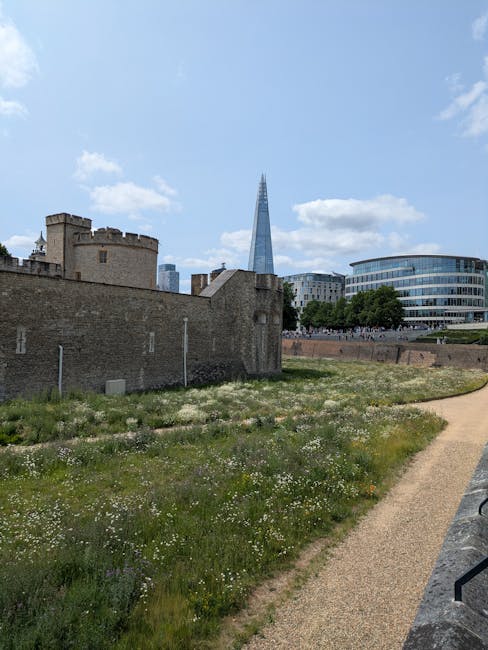
Tree work permits Elephant and Castle Southwark Council guide
If you are planning tree work in Elephant and Castle, the first question is usually not about the saw, the ladder, or even the price. It is this: do you need permission from Southwark Council before touching the tree? That is the heart of any Tree work permits Elephant and Castle Southwark Council guide, because the rules can affect pruning, removal, crown reduction, and even fairly small jobs if the tree is protected. Miss that step and a simple garden task can turn into a stressful mess, fast.
This guide breaks the process down in plain English. You will learn how tree work permits and related approvals tend to work in Southwark, when consent may be needed, what paperwork usually matters, how to avoid common mistakes, and how to plan a job so it stays safe and compliant. We will also cover practical steps for homeowners, landlords, managing agents, and anyone looking after shared outdoor space around Elephant and Castle. Let's face it, trees are not something you want to guess about.
Expert summary: if a tree is protected, in a conservation area, or affected by planning conditions, do not assume routine maintenance is allowed. Check first, document everything, and line up the work with a proper arboricultural approach. That little bit of caution can save weeks of delay later.
Why Tree work permits Elephant and Castle Southwark Council guide Matters
Tree work is one of those topics that looks straightforward until it isn't. A neighbour may say, "Just trim it back a bit," but the reality in London is often more nuanced. In Elephant and Castle, trees can be subject to protections because of planning controls, conservation area rules, or conditions attached to a development. If that applies, the council may need to be notified or asked for consent before work begins.
Why does this matter so much? Because tree work is not just about aesthetics. It can affect:
- public safety and property risk
- tree health and long-term stability
- street character and local amenity
- future liability if work is carried out without permission
To be fair, many people only realise this after a contractor has already booked in. Then there is a scramble for documents, maps, photos, and explanations. Not ideal. A clear process helps you avoid that last-minute panic and gives everyone a better chance of agreeing on the right scope of work.
If you are already planning wider garden improvements, it can help to think holistically. For example, if a tree job is part of a bigger tidy-up, the rest of the site may also need attention. Services such as garden clearance, regular maintenance, or hedge trimming may sit alongside the tree work, but the tree element still needs its own checks.
How Tree work permits Elephant and Castle Southwark Council guide Works
In practice, the permit question usually starts with a few basic checks. Is the tree protected by a Tree Preservation Order, often called a TPO? Is the property in a conservation area? Is the work connected to a planning approval, such as a landscaping condition? If the answer to any of those is yes, the tree work may need formal approval or notice before it can legally go ahead.
The council process is usually about three things:
- Identification - confirming which tree or trees are involved and whether protection applies.
- Justification - explaining why the work is proposed, with a clear description of the branch removal, pruning, crown reduction, or removal.
- Assessment - deciding whether the work is acceptable, needs revision, or is refused.
That sounds simple on paper. Real life is a bit messier. A tree might straddle a boundary, sit under overhead lines, or be in a shared courtyard where several people think they have the say. A permit process helps settle those questions before a climber is up there cutting away at something that should have been reviewed first.
It is also worth understanding the difference between common tree care terms, because they are not interchangeable. Pruning is selective cutting to improve shape, health, or clearance. Crown reduction reduces overall size while trying to preserve balance. Pollarding is a more severe and specific management method. Tree removal is exactly what it sounds like, and it usually needs the strongest justification. If you need help deciding the safest route, a specialist tree service such as tree lopping and removal support can help assess whether the proposed work is proportionate.
Key Benefits and Practical Advantages
People often focus on permission as a hurdle. Fair enough, it can feel like one. But there are real upsides to following the process properly.
- Less risk of enforcement issues - you avoid the headache of being told to stop or undo work.
- Better tree outcomes - the right work, done at the right time, is usually better for the tree.
- Clearer contractor instructions - everyone knows the exact scope.
- Stronger records - useful if there is a future dispute with neighbours, freeholders, or the council.
- Safer site management - especially where access is tight, common in parts of central London.
There is also a quieter benefit: peace of mind. When a job is approved, documented, and carried out correctly, it tends to feel calm. No guessing. No wondering whether a complaint is coming through the letterbox next week. That is worth quite a lot, honestly.
For properties undergoing wider improvements, tree work sometimes fits better into a larger landscape plan than as a standalone task. In those cases, broader services like landscape gardening or landscaping can help you sequence the work properly, so tree care, planting, and hard landscaping do not clash.
Who This Is For and When It Makes Sense
This guide is useful if you are a homeowner, landlord, tenant with permission to maintain the garden, property manager, or a contractor organising work on someone else's behalf. It is especially relevant if the tree is near a road, boundary wall, shared access path, basement lightwell, or neighbouring garden. In Elephant and Castle, these close-quarters settings are common, and they make tree decisions more sensitive than people expect.
You should pay close attention if:
- the tree is large, mature, or obviously longstanding
- you have seen a plaque, map note, or planning reference mentioning protection
- the tree is close to a building, pavement, or utility route
- the work is more than light seasonal trimming
- the tree is part of a redevelopment, extension, or courtyard redesign
Sometimes the right choice is not to rush into a permit application at all, but to get the facts straight first. A quick site review can reveal whether the issue is a simple maintenance job or something that needs council notice and supporting evidence.
Step-by-Step Guidance
If you want the process to run smoothly, follow a structured approach. It keeps things tidy and it keeps everyone honest.
- Identify the tree and the exact work needed. Write down what you want done in plain language. For example: "Remove deadwood from upper crown" is far better than "sort tree out."
- Check for protection or planning constraints. Look for signs that the tree may be subject to a TPO, conservation area rules, or a planning condition. If you are unsure, treat it as potentially protected until proven otherwise.
- Take photographs from several angles. Include the whole tree, close-ups of any defects, and the surrounding space. This helps explain the reason for the work.
- Gather site details. Note the address, tree location in the garden, and any access issues such as narrow side passages or overhead obstacles.
- Describe the proposed work clearly. State the type of work, approximate extent, and your reasons. If the tree is causing damage or posing a hazard, say so carefully and factually.
- Submit the correct notice or application route. The exact route depends on the protection type. This is where people often go wrong by assuming every tree job follows the same pattern.
- Wait for a decision before starting. This is the boring bit, yes. But it matters. Do not let a contractor begin early just because the weather looks good.
- Keep records after the work is completed. Save photos, permission documents, and contractor notes. You may need them later.
If the job forms part of a larger renovation, you may also want to plan around decking, paths, or planting so the site is not opened up twice. A good example is when a garden redesign includes a tree setback, new retaining features, and a small seating area. In that case, tree permission and the rest of the works should be coordinated, not treated as separate little islands.
Expert Tips for Better Results
A few practical habits can make a big difference. The first is to be specific. "Reduce height by one third" may sound clear, but if the tree is protected, wording may need to be more careful and defensible. A good arboricultural description explains the objective, not just the desired cut.
Second, think about timing. Tree work is not always about the quickest date available. Weather, nesting birds, access, and ground conditions all play a part. A windy January morning in London can be miserable for a reason. Safety first, even if the diary is shouting at you.
Third, keep neighbours informed where the tree is shared or visible from adjacent properties. A short, polite heads-up can prevent misunderstandings. It does not need to be a formal speech. Just a calm note or conversation. That little bit of openness goes a long way.
Fourth, use qualified contractors who understand protected trees and council expectations. Anyone can say they "do trees". The real question is whether they can document the job properly and work within local rules. Ask how they would handle a TPO or conservation area situation before you hire them.
And one more thing, because this catches people out all the time: if the tree is part of a broader garden tidy-up, do the messy ground work before or after the tree work in the right order. A site cleared in the wrong sequence can create access problems, pile up waste, or damage fresh planting. That is why broader support such as garden clearance or services overview planning can be useful when you are mapping out the full job.
Common Mistakes to Avoid
Most problems come from haste, not malice. People simply assume the tree is ordinary and move on. The usual mistakes are:
- Starting work before checking protection status
- Using vague descriptions like "trim back" or "cut down a bit"
- Ignoring boundary or ownership questions
- Failing to photograph the tree before work
- Over-pruning because the tree looked bigger from ground level than expected
- Mixing up routine maintenance with regulated work
- Assuming a verbal okay is enough
One particularly common error is treating all tree care as the same. It is not. Light hedge shaping is one thing; work on a protected mature tree is another. If your garden job includes both, each element needs the right level of attention. That is where combining tree care with related services like hedge trimming or ongoing garden maintenance can be helpful, provided the tree work is still separately checked.
Tools, Resources and Recommendations
You do not need fancy kit to get organised. A phone camera, a site sketch, and a simple checklist are often enough to start. If the tree is significant or the issue is disputed, however, a more detailed arboricultural report may be sensible.
Useful things to have ready include:
- clear photographs of the tree and surrounding area
- the full property address and any flat or unit details
- a brief written description of the work
- notes on access, utilities, or nearby structures
- previous correspondence about the tree, if any exists
- contractor details and insurance confirmation
For practical site safety, it also helps to review internal business processes, especially if the work is being arranged on behalf of a client or tenancy property. Pages such as insurance and safety and health and safety policy can support that mindset, even before any tree work starts.
If your project is more about improving the whole outdoor space than one tree alone, you may find landscape gardening support useful for shaping the broader plan. That way, the tree decision sits inside a proper garden strategy rather than being handled as an afterthought.
Law, Compliance, Standards, or Best Practice
Tree work in London is governed by a mix of planning controls, local authority processes, ownership issues, and general safety duties. The exact route depends on the tree's legal status and the site context. Because these situations can vary, it is safest to treat any mature or visibly important tree as potentially subject to control until the position is checked.
Best practice usually includes:
- confirming whether the tree is protected before booking work
- describing the work precisely and honestly
- avoiding unnecessary removal where pruning or management would do
- using safe work methods and suitable equipment
- keeping written records of decisions, dates, and approvals
There is also a common-sense compliance angle that people sometimes overlook. If a tree is near a boundary, shared courtyard, or access route, duty of care becomes more than a legal phrase. It is about preventing harm. A branch dropping where someone walks every morning is not a theoretical problem; it is a real one.
Where tree work connects to other site improvements, make sure the sequence does not create safety conflicts. For example, if you are also considering decking or hard landscaping, the tree decision should come first if roots, shade, access, or canopy clearance could affect the design. That is where decking services and broader landscaping planning can be part of the same conversation, not a separate last-minute job.
Options, Methods, or Comparison Table
Not every tree job needs the same level of action. Here is a simple comparison to help you think clearly.
| Option | Typical use | Pros | Watch-outs |
|---|---|---|---|
| Light pruning | Minor shape correction or clearance | Often less intrusive, keeps the tree healthy | Still may need permission if protected |
| Crown reduction | Reducing size while retaining form | Can improve light, space, and balance | Needs skilled execution to avoid poor regrowth |
| Deadwood removal | Removing dead or broken branches | Good for safety and tree health | May be limited in scope on protected trees |
| Removal | Tree is unsafe, dying, or unsuitable for the site | Solves conflict where retention is not reasonable | Usually needs the strongest justification |
In most cases, the least drastic solution that addresses the problem is the best starting point. If the tree can be retained safely, that is often preferable. Of course, not every tree can or should stay. But a careful review usually beats a rushed decision.
Case Study or Real-World Example
A typical Elephant and Castle scenario goes like this. A flat-owner notices a mature tree in a shared rear courtyard dropping large bits of deadwood. The branches overhang a seating area, and one resident is worried about a ladder access route beside the building. Someone suggests having it "cut right back" over a weekend.
Instead of booking immediately, the managing agent checks whether the tree is protected and finds that the courtyard sits within a planning-sensitive context. Photos are taken, the exact problem is described, and the proposed work is narrowed to deadwood removal and a modest crown intervention rather than wholesale reduction. The contractor is briefed properly, the work is scheduled once the approval route is clear, and the site is left tidy.
The result? No drama, no awkward neighbour dispute, no scramble after the fact. The tree still looks like a tree, the seating area feels safer, and the residents can use the space without staring at a half-finished mess. Simple, really. Well, simple after the paperwork.
That kind of outcome is what a good process aims for. Not perfection. Just a clean decision, a sensible scope, and no surprises.
Practical Checklist
Before any tree work starts, run through this checklist.
- Have you identified the exact tree?
- Have you checked whether it may be protected?
- Do you know if the site is in a conservation area?
- Is the proposed work clearly described?
- Have you photographed the tree and the surrounding area?
- Do you know who owns the tree or has authority to act?
- Have you checked access, safety, and nearby hazards?
- Are you using a contractor who understands council-sensitive tree work?
- Have you confirmed the approval or notice route before starting?
- Have you saved all records for later reference?
If you can tick those off, you are in a much stronger position. If not, pause. A short pause now is far better than an expensive correction later.
Conclusion
Tree work in Elephant and Castle is rarely just a garden chore. It sits at the intersection of property care, safety, planning controls, and common sense. That is why a Tree work permits Elephant and Castle Southwark Council guide matters so much: it helps you avoid guesswork and make better decisions before anyone reaches for the tools.
The main takeaway is simple. Check protection status first, describe the work clearly, keep records, and use people who know how to handle regulated tree jobs properly. Do that, and the process becomes much less intimidating. In fact, it can feel pretty straightforward.
If your tree work is part of a larger outdoor project, consider how the whole space will function once the work is done. A healthy garden, a safer tree, and a cleaner layout can make a small London outdoor space feel twice as useful. That is a good end result. A proper one.
Get a free quote today and see how much you can save.
Frequently Asked Questions
Do I always need permission to carry out tree work in Elephant and Castle?
No, not always. But if the tree is protected, in a conservation area, or affected by planning conditions, permission or formal notice may be needed before work starts. It is best to check first rather than assume the job is exempt.
What counts as tree work?
Tree work can include pruning, crown reduction, deadwood removal, crown lifting, pollarding, and full tree removal. The exact requirement depends on the tree's condition and legal status.
How do I know if a tree is protected?
You may see signs in planning documents, property records, or previous correspondence, but not every protection is obvious on site. If there is any doubt, treat the tree as potentially protected until the position is confirmed.
Can I just trim branches that overhang my garden?
Not necessarily. Even if branches overhang your boundary, the tree may still be protected. Also, cutting too much can create disputes or damage the tree. Check the status before touching it.
What should I include in a tree work application or notice?
Include the location of the tree, the exact work proposed, why the work is needed, and photographs that show the issue clearly. Specific, factual wording usually works better than vague descriptions.
How long does the process usually take?
That depends on the route required and the complexity of the tree. Some matters are straightforward; others need more review. Build in time rather than expecting instant approval.
Is tree removal harder to approve than pruning?
Usually yes, because removal is more permanent and needs stronger justification. If a tree can be retained with lighter work, that is often the more sensible first option.
What if the tree is causing damage or looks unsafe?
Document the issue with photos, describe the problem clearly, and seek advice promptly. If there is immediate danger, safety comes first, but you should still follow the proper reporting or approval route as soon as possible.
Can a contractor sort out the permit for me?
Sometimes they can help prepare the paperwork or advise on the process, but responsibility still matters. Make sure you know who is submitting what, and do not let work begin until the right approvals are in place.
Should I combine tree work with other garden improvements?
Yes, if it makes sense. Many projects work better when tree care is planned alongside clearance, planting, or layout changes. Just make sure the tree element is checked first so the broader design does not conflict with protection rules.
What records should I keep after the work is finished?
Keep the approval or notice outcome, before-and-after photos, the contractor's details, and any notes about what was completed. Those records can be very useful if there is ever a future question.
Where can I read more about the company and its approach?
You can review the about us page, check the wider services overview, or look at the company's recycling and sustainability approach if waste handling matters to your project.