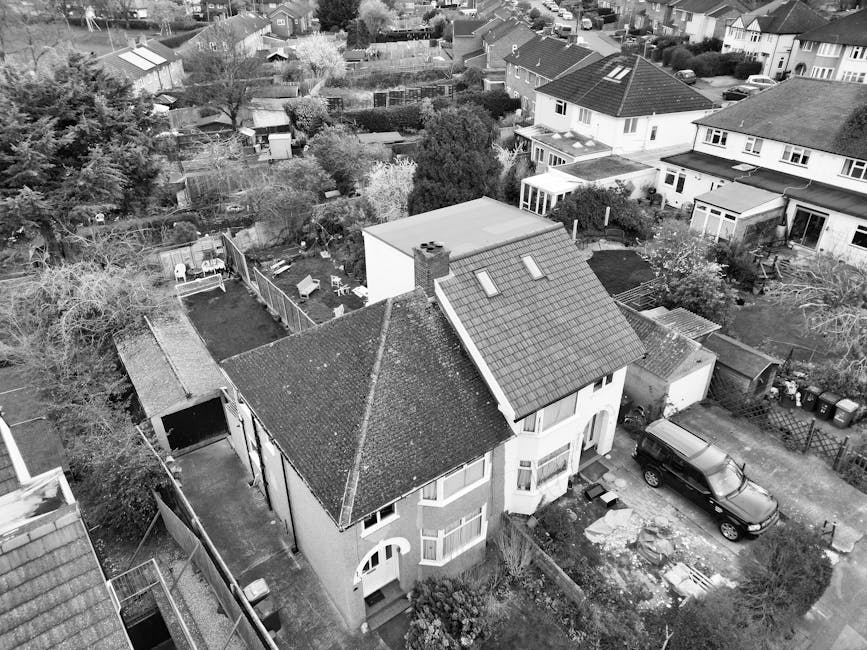
Case study private garden revival Walworth Road by gardeners
If you are looking into a case study private garden revival Walworth Road by gardeners, you are probably not after glossy before-and-after promises. You want to know what actually changes a cramped, tired, overgrown London garden into somewhere usable again. Fair enough. A private garden in this part of south London can take a beating from shade, foot traffic, patchy soil, bin storage, privacy issues, and the general chaos of busy city life.
This article breaks down how a garden revival is approached in real life: what gets assessed first, which jobs usually matter most, where the hidden problems are, and how a skilled team would typically turn an unwelcoming space into something calmer and easier to maintain. We will also cover practical lessons for anyone considering their own garden reset, whether that means a one-off tidy-up or a longer programme of garden maintenance, garden clearance, or broader landscaping.
Truth be told, private garden revivals are often less about one dramatic moment and more about a sequence of sensible decisions. Cut back what is failing. Keep what still has life. Remove the clutter. Repair the structure. Then, only then, think about how you want the garden to feel on a wet Thursday afternoon in November, not just on a sunny Saturday in May.
Table of Contents
- Why this kind of garden revival matters
- How the revival process works
- Key benefits and practical advantages
- Who this is for and when it makes sense
- Step-by-step guidance
- Expert tips for better results
- Common mistakes to avoid
- Tools, resources and recommendations
- Law, compliance, standards, or best practice
- Options, methods, or comparison table
- Case study or real-world example
- Practical checklist
- Conclusion
- Frequently asked questions
Why Case study private garden revival Walworth Road by gardeners Matters
A private garden revival matters because the garden is not just decorative. It affects how a home feels, how easy it is to use, and, in a London setting, how well the space copes with limited light and limited room. On Walworth Road and nearby streets, gardens are often enclosed, overlooked, and squeezed into awkward shapes. That makes them vulnerable to becoming storage yards rather than living spaces.
When a garden slips into that state, people usually stop using it. Then the problems snowball. Weeds set seed, shrubs lose shape, trees shade out lawn areas, and hard surfaces collect moss or debris. You know the pattern. It starts with "we should really sort the back garden" and ends with a hedge doing its best impression of a wall.
That is why a proper revival is valuable. It restores access, lets light back in, and creates a layout that feels manageable. It also helps reveal the actual condition of the garden. Once the clutter and overgrowth are removed, it becomes much easier to see whether the space needs simple routine care or more substantial work through landscape gardening.
There is another reason this matters: a revived private garden supports long-term maintenance rather than constant rescue work. That shift is huge. A garden that is designed to be looked after usually costs less effort over time, and it is far less stressful to live with.
Practical summary: A private garden revival is most successful when it solves the everyday problems first: access, mess, structure, light, drainage, and maintenance. The flowers come later. Not never, just later.
How Case study private garden revival Walworth Road by gardeners Works
A well-run garden revival normally begins with a survey of the space. That does not need to be complicated, but it does need to be honest. What is overgrown? What is dead? What is worth keeping? Is the soil usable? Are there broken boundaries, tired paving areas, or tree branches blocking light? A team that rushes straight to cutting everything down can easily create more work later.
The usual process starts with clearing and sorting. Dead plant material, old pots, broken fixtures, and accumulated waste are removed. If the garden has become heavily congested, a proper garden clearance stage is often the turning point. Suddenly the space breathes again. You can see the bones of it.
Next comes pruning and shaping. This is where experienced hedge trimming and selective cutting matters. Not every plant should be cut back in the same way. Some shrubs respond well to a hard reset; others need a gentler hand. Trees may need attention too, especially if they are crowding the garden or reducing usable light. In those cases, a checked and careful tree lopping and removal approach may be considered, subject to safety and any local restrictions.
Once the overgrowth is controlled, the team can address the layout. This may involve redefining beds, improving lawn edges, restoring access paths, or introducing a more structured design. A lot of garden revivals benefit from simple hard landscaping features, because they create order fast. Even a modest deck, for example, can give the space a clean focal point and a place to sit without standing in damp grass.
That is where decking services can become useful. It is not always about building something big. Sometimes the best transformation is a small, sturdy platform that makes the garden feel like a room outdoors.
Finally, the garden needs a maintenance plan. Otherwise the revival fades. Grass, hedges, borders, and any newly cleared areas all need a rhythm. A garden should not need heroic effort every season. It should just need consistent, sensible care.
Key Benefits and Practical Advantages
The benefits of a garden revival are both visual and practical, and the practical ones tend to matter most after the first week. Yes, it looks better. But more importantly, it becomes usable again.
- Better use of space: Clearing a cluttered garden often reveals space you did not realise you had.
- Improved light: Cutting back overcrowded planting can make a small London garden feel much less boxed in.
- Lower maintenance burden: A simplified layout is easier to keep tidy and easier to enjoy.
- More privacy and comfort: Smart pruning and reshaping can improve how the garden feels from inside the home.
- Healthier plants: Removing dead material and competition helps remaining plants recover.
- Better safety: Fewer trip hazards, less hidden debris, and clearer paths make everyday use safer.
There is also a mood benefit, and let's face it, that counts. A revived private garden changes how a home feels. Morning coffee outside becomes possible again. Children and pets have somewhere clearer to move. Even looking out of the window feels calmer when the view is not a jumble of unfinished jobs.
For many homeowners, the biggest practical advantage is that a revival makes future decisions easier. Once the space is reset, you can work out whether it needs ongoing lawn mowing, selective planting, boundary work, or a more ambitious upgrade. Without that reset, every decision is guesswork.
Who This Is For and When It Makes Sense
This kind of project suits homeowners who want to rescue a garden that has become difficult to use, difficult to look after, or both. It is especially useful if the space has been neglected for a while, if the original design no longer works, or if previous DIY attempts have left the layout muddled.
It also makes sense for people who have recently moved into a property and inherited a garden with unknown history. That is common, and a bit nerve-racking. One house move is enough drama without opening the back gate to find five different species of self-seeded chaos.
Here are some typical situations where a revival is worth considering:
- The lawn is patchy, thin, or mostly weeds.
- Hedges are blocking light or spilling into paths.
- Borders are full of overgrown shrubs with no structure.
- There is old rubbish, broken fencing, or leftover building debris.
- The garden feels too dark, cramped, or unwelcoming.
- Maintenance has become too much for the household to manage alone.
It can also be the right move before selling a property or preparing a rental home. A tidy, understandable garden is much easier for people to value. You do not need a show garden. You need clarity. That is the bit people notice in seconds.
Step-by-Step Guidance
If you were planning a garden revival on Walworth Road, a sensible step-by-step process would usually look something like this.
- Assess the space properly. Walk the whole garden and note what is unsafe, dead, tangled, broken, or simply in the wrong place.
- Remove waste and obstruction. Start with clear access. Bags, fallen branches, unwanted planters, old timber, and general clutter all go first.
- Cut back overgrowth carefully. Prune hedges, shrubs, and self-seeded growth in a way that preserves healthy material where possible.
- Shape the structure. Re-establish borders, define edges, and decide what should stay permanent.
- Deal with the lawn. If grass is salvageable, mow, edge, and repair it. If not, consider whether it needs reworking rather than repeated patching.
- Improve access and surfaces. Make sure paths, seating zones, and utility areas are practical and not awkward to reach.
- Add the finishing layer. This may include planting, mulch, decking, or new features that support the garden's new shape.
- Set a maintenance rhythm. Decide what happens monthly, seasonally, and after growth spurts. This is what stops the garden slipping back.
A useful rule of thumb: if you cannot explain the purpose of a feature in one sentence, it may not belong in a small urban garden. Slightly harsh, perhaps, but very helpful.
And do not skip the "boring" jobs. In a revival, the boring jobs often create the biggest improvement. Edging, clearing, levelling, and tidying are not glamorous, but they are what make the space feel finished.
Expert Tips for Better Results
In our experience, the best results come from working with the garden rather than forcing a style onto it. That sounds obvious, but people often forget it when they are staring at an overgrown mess and want a quick miracle.
Start by thinking in layers. First layer: access and safety. Second layer: structure. Third layer: planting and detail. If you reverse that order, you usually end up redoing work later.
A few practical tips make a big difference:
- Keep one strong focal point. It might be a seating area, a clean lawn, or a raised deck. Too many focal points make a small garden feel busy.
- Use repetition sparingly. A repeated plant or material can calm the space, especially in a narrow garden.
- Respect the microclimate. Walworth-side gardens can be shaded, sheltered, or oddly warm near brick walls. Plant accordingly.
- Do not over-prune in one go. Some plants need gradual restoration, not a brutal haircut. They will sulk. Plants do that.
- Build for maintenance. If a design only looks good on day one, it is not really a good design.
One more thing: if the garden has mature trees or mixed planting, get advice before removing major growth. A little restraint at the right moment can save a lot of regret later.
Common Mistakes to Avoid
Most garden revival problems come from trying to do too much at once, too fast. It is a very human mistake. You look at the space and think, "Right, everything goes." Then a week later you are standing in a pile of green waste wondering why the garden looks more exposed than improved.
- Removing all growth before understanding the structure. You can lose privacy, shape, and habitat very quickly.
- Ignoring drainage or soil condition. If the ground is compacted or waterlogged, planting will struggle.
- Keeping awkward features out of habit. If an old path, shed base, or planter no longer serves a purpose, be honest about it.
- Choosing plants before solving shade and space issues. The wrong plant in the wrong place is just extra work.
- Leaving maintenance undecided. A revived garden can slide back if nobody agrees who is doing what next.
Another common issue is rushing into decorative purchases. New pots and furniture can be tempting, but they should come after the core work, not before. Otherwise you are just dressing up a problem.
Tools, Resources and Recommendations
A proper revival usually depends on a mix of hand tools, cutting equipment, waste handling, and a good eye for proportion. The exact toolkit depends on the scale of the job, but the thinking is similar every time: use the lightest effective method first, then move up only if needed.
Useful tools and practical resources may include:
- Secateurs and loppers for precise pruning
- Hedge trimmers for clean boundary shaping
- Rakes and forks for clearing and tidying
- Wheelbarrows or bags for waste removal
- Edging tools for sharper lawn and bed definition
- Measuring tape and string line for layout decisions
- Gloves, eye protection, and sturdy footwear for safer working conditions
If the work involves repeated upkeep rather than a one-off reset, a maintenance schedule matters more than fancy equipment. That is where a regular service plan can help, especially if your garden needs seasonal tidying, trimming, and lawn care. For many households, a steady arrangement through garden maintenance is the difference between a garden that stays pleasant and one that slowly slides back into chaos.
You may also want to think about how waste is handled. Garden revivals often generate more cuttings, branches, and cleared material than people expect. Responsible disposal and reuse, where possible, should be part of the plan. Not a glamorous part, admittedly, but a necessary one.
Law, Compliance, Standards, or Best Practice
Any serious garden revival should follow sensible UK best practice around safety, waste handling, and property boundaries. If trees are involved, the work should be checked carefully before anything significant is removed, because there may be local constraints or ownership considerations. The same goes for boundary hedges and anything close to shared fences or neighbouring plots.
From a practical point of view, the main compliance concerns are usually straightforward:
- Safety: Use appropriate protective equipment, stable footing, and controlled cutting methods.
- Waste disposal: Green waste should be managed responsibly and not dumped or burned casually.
- Neighbour considerations: Overhanging growth, access routes, and noise all need sensible handling.
- Insurance: Work carried out on site should be covered appropriately, especially if ladders, tools, or heavier clearance are involved.
It is also good practice to be transparent about what can and cannot be safely done in one visit. A trustworthy team will say when a hedge needs staged work, when a tree requires careful assessment, or when a surface needs repair before anything else is added. That honesty matters.
If you are comparing providers, look for clear operational standards, sensible communication, and a willingness to explain the work. Pages like health and safety policy, insurance and safety, and recycling and sustainability are useful signs that the business takes the job seriously rather than treating it as a quick tidy-up and a van load of waste.
Options, Methods, or Comparison Table
Different gardens need different levels of intervention. Sometimes a light intervention is enough. Sometimes you need a full reset. The right choice depends on the condition of the site and the end goal.
| Approach | Best for | What it includes | Main upside | Watch out for |
|---|---|---|---|---|
| Light tidy and trim | Gardens that are mostly healthy but messy | Mowing, hedge shaping, weeding, light waste removal | Quick improvement, low disruption | Won't fix deeper layout problems |
| Clearance-led revival | Overgrown or cluttered private gardens | Removal of debris, cut-back growth, access restoration | Reveals the real structure of the garden | Can look bare before it starts to improve |
| Landscaping refresh | Gardens needing new function or flow | Bed reshaping, surfacing, planting structure, seating zones | Longer-lasting transformation | Needs more planning and budget |
| Full redesign with features | Severely outdated or unusable gardens | Layout changes, hard landscaping, possible decking, planting plan | Most complete improvement | More time, more decisions, more coordination |
If the garden already has good bones, a lighter method can be enough. If the space feels trapped by old growth and clutter, a clearance-led or landscaping-led route usually works better. There is no prize for doing the biggest possible job. The goal is the right job.
Case Study or Real-World Example
Here is a realistic example of how a private garden revival in the Walworth Road area might unfold.
A homeowner has a modest back garden that has slowly become unmanageable. There is a narrow strip of lawn, two tired borders, a hedge leaning into the light, and several years of accumulated pots, broken pieces, and cuttings. From inside the house, the view is dark and a bit overwhelming. The family barely uses the space except to put things down and move quickly back inside.
The first visit focuses on clearance. Unwanted items are removed, dead material is taken away, and the access route is opened up. Once that happens, the garden immediately feels bigger. A clean line appears where there used to be clutter. That alone changes the mood.
Next, the hedge is trimmed back to allow more daylight in, while the overgrown beds are reshaped rather than stripped bare. The lawn is assessed and cut back into usable condition. In places where the grass is too poor to justify endless patching, the plan shifts toward a simpler surface or planting structure. That is often the smart move, even if it feels a bit disappointing at first.
Then a defined seating area is created using a neat hardstanding or small decked zone. That gives the family one obvious place to use the garden. The result is not a fake "designer" garden. It is better than that. It is a real garden that works on ordinary days.
What made the difference? Not one big feature. The revival worked because the team prioritised light, access, structure, and maintenance. The garden was no longer asking to be rescued every weekend. It had finally been brought back to a manageable standard.
Practical Checklist
Use this checklist before starting a private garden revival or briefing a gardener.
- Identify the main problem: clutter, overgrowth, poor layout, weak lawn, low light, or all of the above.
- Decide what must stay and what can go.
- Check whether access is clear for removal and working safely.
- Look for hidden issues such as broken edging, standing water, or unstable timber.
- Decide whether you need clearance only, maintenance, landscaping, or a mix.
- Think about long-term upkeep before adding new features.
- Choose one focal point for the revived space.
- Plan for waste disposal and recycling from the outset.
- Confirm whether trees, hedges, or boundaries need special care.
- Set a realistic timeline. Good garden work is tidy, not rushed.
Quick reality check: if the space cannot be maintained after the revival, the design probably needs simplifying. That is not a failure. It is sensible gardening.
Conclusion
A case study private garden revival Walworth Road by gardeners is really a study in practical transformation. The most effective revivals do not chase perfection. They restore order, improve light, remove hidden problems, and make the garden feel usable again. That is the core win.
If your own garden has reached the point where it feels heavier than helpful, start with the basics: clear what no longer serves the space, keep the structure honest, and build a maintenance rhythm that you can actually live with. Sometimes the most satisfying result is not the flashiest one. It is the moment you step outside and think, yes, this feels like mine again.
Get a free quote today and see how much you can save.
And if you want to understand the broader range of support available, it can also help to review the company's services overview and learn more about the team before you decide. A good garden revival should leave you with more peace, not more admin.
Frequently Asked Questions
What is a private garden revival in practical terms?
It is the process of restoring a neglected, cluttered, or overgrown private garden so it becomes usable, safer, and easier to maintain. That may involve clearance, pruning, lawn work, layout changes, and sometimes light landscaping.
How long does a garden revival usually take?
It depends on the size of the garden, how overgrown it is, and whether the work is a tidy-up or a more involved reset. A small space may be transformed quickly, while a neglected garden can take several stages.
Do I need garden clearance before landscaping?
Usually, yes. Clearance often comes first because it shows the real condition of the site. Once the clutter and waste are removed, it is much easier to plan layout, planting, and any hard landscaping.
Can a very overgrown garden be saved?
In many cases, yes. The key is to assess what is healthy, what is dead, and what is structurally worth keeping. Some spaces need gradual restoration rather than a single heavy cut-back.
Is a lawn always worth keeping?
Not always. If the lawn is patchy, shaded, and difficult to maintain, replacing part of it with planting, decking, or another low-maintenance surface may be more practical.
What is the difference between garden maintenance and garden revival?
Garden maintenance is ongoing care to keep a healthy garden in good shape. A revival is a bigger reset, usually for a garden that has been neglected or become hard to use.
Should I remove all the plants if the garden looks messy?
No. That is a common mistake. Mature plants and useful structure may still be valuable. The smarter approach is to remove the problem growth and keep what still supports the garden.
Will hedge trimming and pruning make the garden look too bare?
It can if done too aggressively. A skilled gardener will usually trim in stages, keeping enough mass and shape to preserve privacy and balance while still opening the space up.
Can decking help in a small city garden?
Yes, if it is used thoughtfully. A small deck can create a clean seating area, help with uneven ground, and give the garden a clear focal point without taking over the whole space.
How do I keep the garden from slipping back after the revival?
Set a simple maintenance schedule. Regular mowing, seasonal pruning, border tidy-ups, and occasional clearance are usually enough to stop problems building up again.
What should I ask before hiring gardeners for a revival?
Ask what will be cleared, what will be kept, how waste is handled, whether safety is covered properly, and what the follow-up maintenance plan should look like. Clear answers usually mean a better job.
Is this kind of work suitable for rental or sale preparation?
Absolutely. A tidy, structured garden can improve first impressions and make the property feel better cared for. You do not need a showpiece; you need a space that looks considered and easy to understand.